Published: 15 October 2025
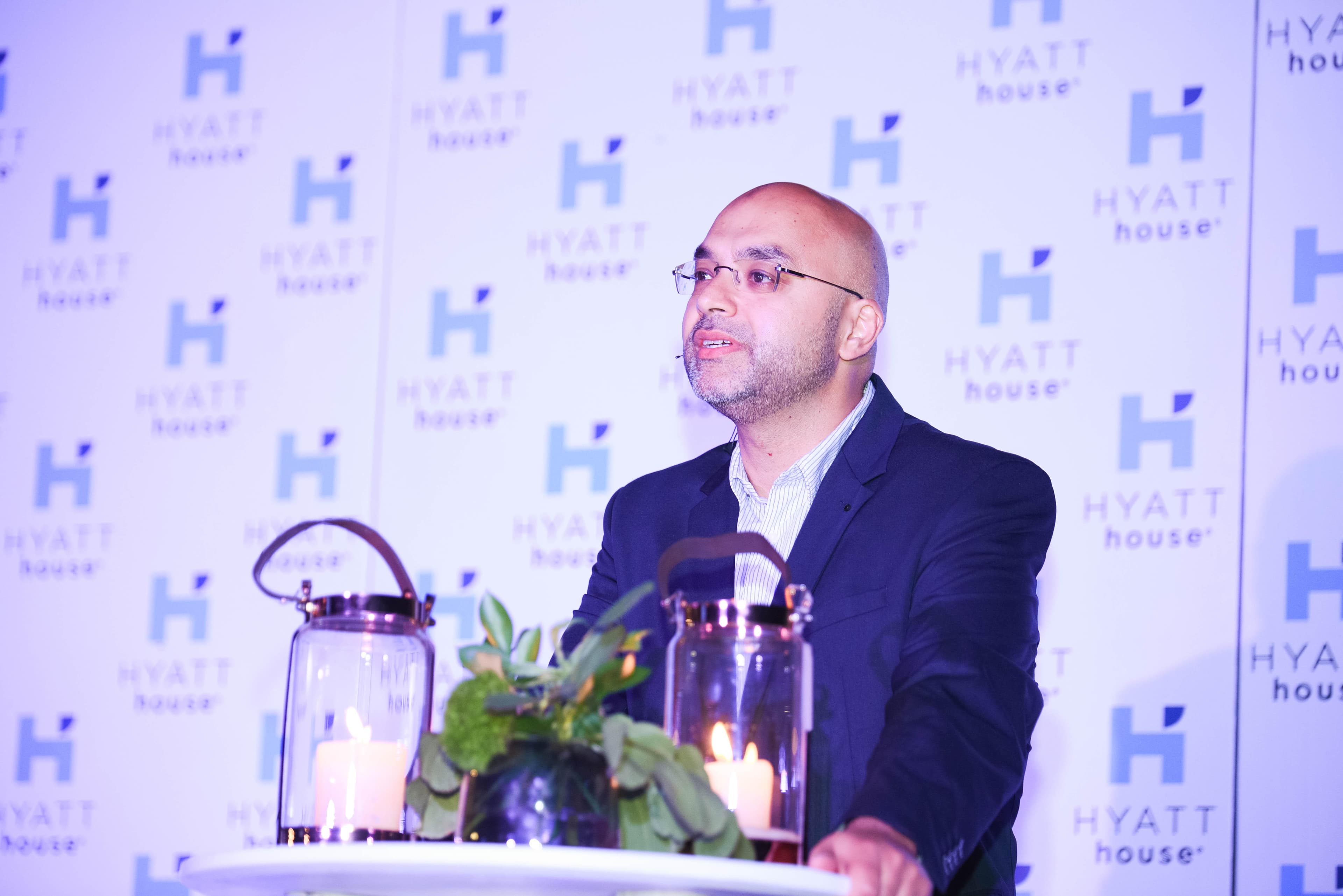
By Hamza Farooqui Chief Executive Officer: Millat Group
Institutional capital keeps circling Africa but seldom lands. The hesitation is not about opportunity. It is about trust. Global investors still price African tourism and hospitality as if they are betting on volatility rather than performance.
The operating story tells a different tale. International arrivals in the first half of 2025 were about five percent higher than the same period in 2024 and four percent above 2019. Airlines have rebuilt networks and load factors are firm. Hotel operators continue to report resilient occupancy and steady RevPAR across Middle East and Africa portfolios. African airlines carried 98 million passengers in 2024 and that number is projected to rise to about 113 million this year. Visitor spending is rebounding and, in several destinations, outpacing global averages. None of this has translated into a steady flow of investable deals. That is not a market failure. It is a packaging failure.
De-risking Africa does not begin with a new slogan. It begins with hard evidence, audited track records, transparent governance, and disciplined preparation. Tourism and hospitality are well placed to deliver this because they generate hard currency, hire at scale and attract blended finance from both public and private sources. They produce weekly occupancy, monthly cash flow, and audited year-end results. In short, they are the continent’s most visible credibility engine. What is missing is a system that converts performance into proof that meets the threshold of an investment committee.
That system starts with a bankable pipeline rather than a wish list. Investors do not fund dreams. They fund diligence. Governments, DFIs and tourism boards need to curate a shelf of investment-ready projects with standardised data rooms that an analyst can interrogate quickly and without friction.
Each opportunity should carry an audited feasibility study, comparable operating benchmarks, realistic capex schedules, ESG screens that align to global frameworks and a clear exit path. Where blended structures make sense, they should be explicit about how guarantees, political risk insurance or viability gap grants lower the risk-adjusted cost of capital. Hospitality deals that have combined long-tenor DFI debt with private equity participation are already working.
Confidence rises again when concession quality and tenure are clear. Uncertain land rights and short, revocable leases push discount rates higher and destroy bankability. The fix is technical and practical. Concessions must have tenors that match asset lives and lender amortisation.
They must include enforceable step-in rights so that financiers can protect value if an operator fails. They should nominate neutral arbitration and define environmental obligations in line with international standards so that ESG risk is not a guessing game. World Bank research confirms that unclear tenure is one of the most significant barriers to private tourism investment. Governments can save months of legal friction by publishing model concession agreements and sticking to them. Namibia, Botswana, and South Africa are already recognised for stronger concession practices in protected areas.
The next building block is demand visibility. Perceived volatility fades when traffic is measured properly. Real-time airline seat capacity, card-spend analytics, OTA booking curves and confirmed event calendars are the backbone of a credible forecast. When investors can see seasonality, shoulder-month compression, length of stay and city-pair growth, they can model demand with confidence instead of padding every assumption.
The data already exists in the systems of airlines, payment networks, global distribution platforms, and telcos. Kenya offers a useful illustration of how to bring it together. Its partnership with Visa uses spend analytics to inform tourism strategy. Kenya recorded 2.4 million international visitors in 2024, a fifteen percent increase, and is targeting 9.2 billion dollars in GDP contribution and 1.7 million jobs in 2025. Public agencies across the continent should broker similar partnerships to aggregate and publish monthly dashboards that show the trend line, not just the headline.
Track record remains the most persuasive de-risking tool of all, which is why the first wave of capital should target brownfield ahead of greenfield. Upgrades, conversions, and expansions of known assets deliver faster and safer returns. They produce reference cases that pension funds and insurers can take back to their boards. Accor’s MEA performance data provides an example of how existing portfolios generate audited histories that can be used to structure refinancing or
bolt-on capex with lower perceived risk. Once the case is proven and the cadence of reporting is trusted, greenfield projects follow with a more realistic cost of capital. Where a brand-new lodge, resort or airport hotel is strategically important, layered guarantees and targeted grants can bring returns into the investable band without distorting incentives.
No operating model outperforms weak service. Skills are the margin. Training must move from intention to incentives. Hospitality academies tied directly to operators should link funding to outcomes such as guest satisfaction, upsell rates, repeat visitation and staff retention.
South Africa’s travel and tourism workforce is forecast to reach 1.9 million jobs this year, accounting for more than 11 percent of total employment. Even small productivity gains at this scale translate directly into stronger profitability. When service quality rises, average daily rate follows, RevPAR strengthens and risk falls. Investors want to see that link written into business plans and reported against with discipline.
Add these strands together and the narrative shifts from aspiration to measurability. The demand base is deeper and more resilient than consensus pricing suggests. Airlines are flying. Hotels are trading. Visitors are spending. DFIs and guarantee agencies have demonstrated that well-structured hospitality deals can crowd in private capital while building hard assets and jobs.
What remains is institutional follow-through. Publish the pipeline in a comparable format. Fix tenure so that lenders can match cash flows to obligations. Put demand data in the open so that perceived volatility gives way to visible trend. Lead with brownfield so that case studies compound. Pay for skills against service outcomes so that margins are not left to chance.
If Africa wants long-term institutional money to land, the conversation must move from marketing to measurement. Capital will not reward what it cannot verify. Build the evidence, standardise the terms, report the numbers and let the track record speak. Do that with consistency and the price of risk will fall to where performance already is.